
The platform for physical AI
Making physical AI
automation accessible.
The platform for building physical AI applications, on your own hardware. Connect cameras, sensors and machines to AI, and turn what it sees into real-world action.
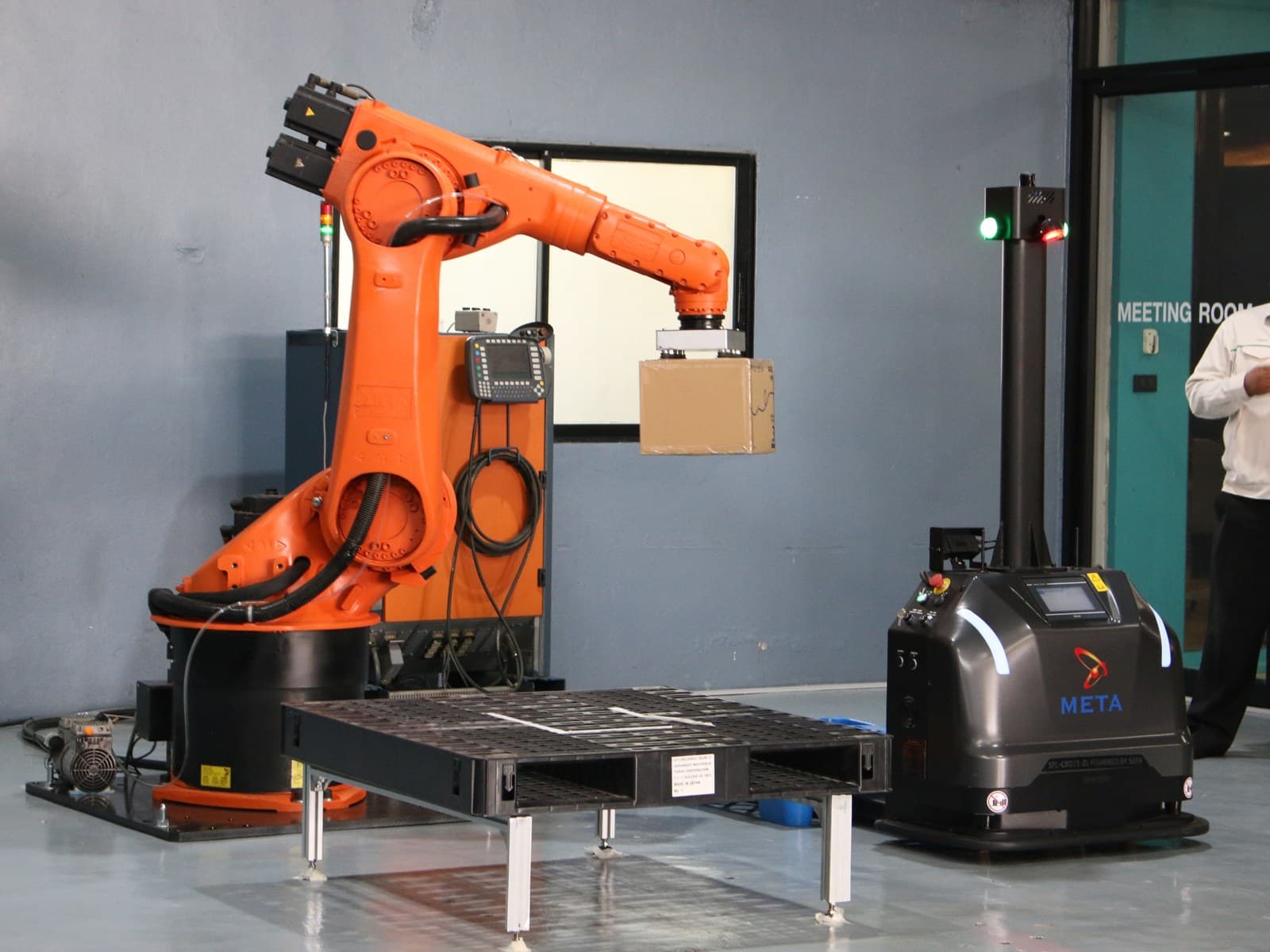
- 01inputIP camera
- 02visionBox and pallet detection
- 03logicPallet loaded?
- 04outputRobot picks, AMR collects
- 05widgetLive dashboard
Nabrio’s robot showcase, built in Nara’s visual editor with zero code · see the story
In production since March 2021 · trusted by global companies
 NIA Open Innovation Grant
 FTI Startup of the Year 2022





Most AI stops at a prediction. Nara acts on it. Nara reads cameras and sensors, decides with AI and rules, and drives real equipment: a reject signal to a PLC, a gate, a robot, an alert. Sense, decide and act happen in one system, on your own hardware.
[ 01 ]How it works
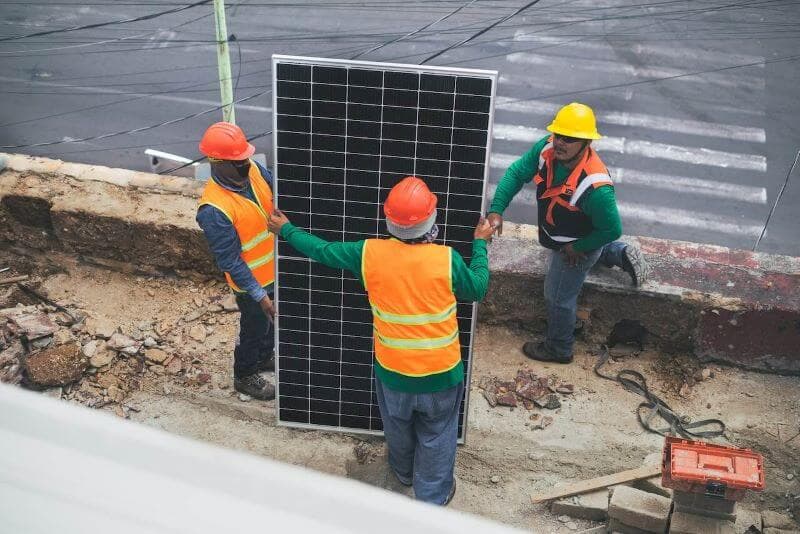
- rtsp camera · connected
- modbus · plc online
01 · sense
Connect what you already have.
Connect IP and industrial cameras, sensors, PLCs and web services to a Nara flow.
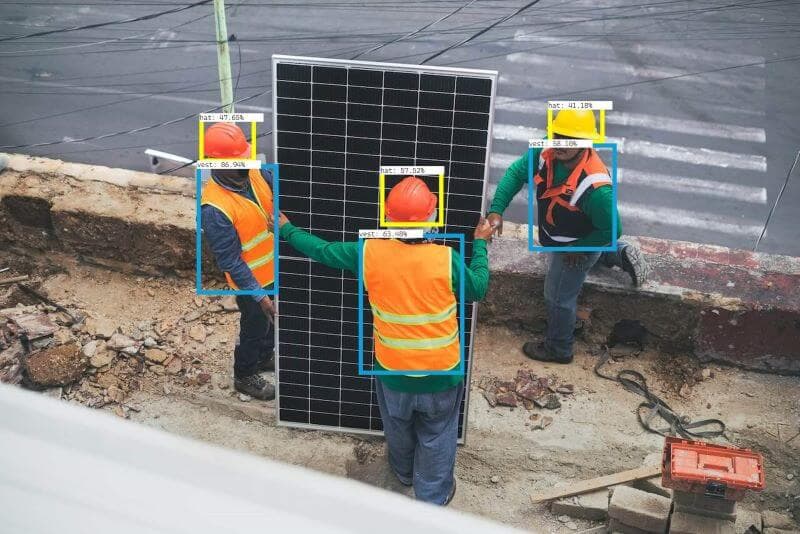
02 · decide
Let AI and rules decide.
Bundled or custom AI models, rules, zones, counters and timers decide what happens.
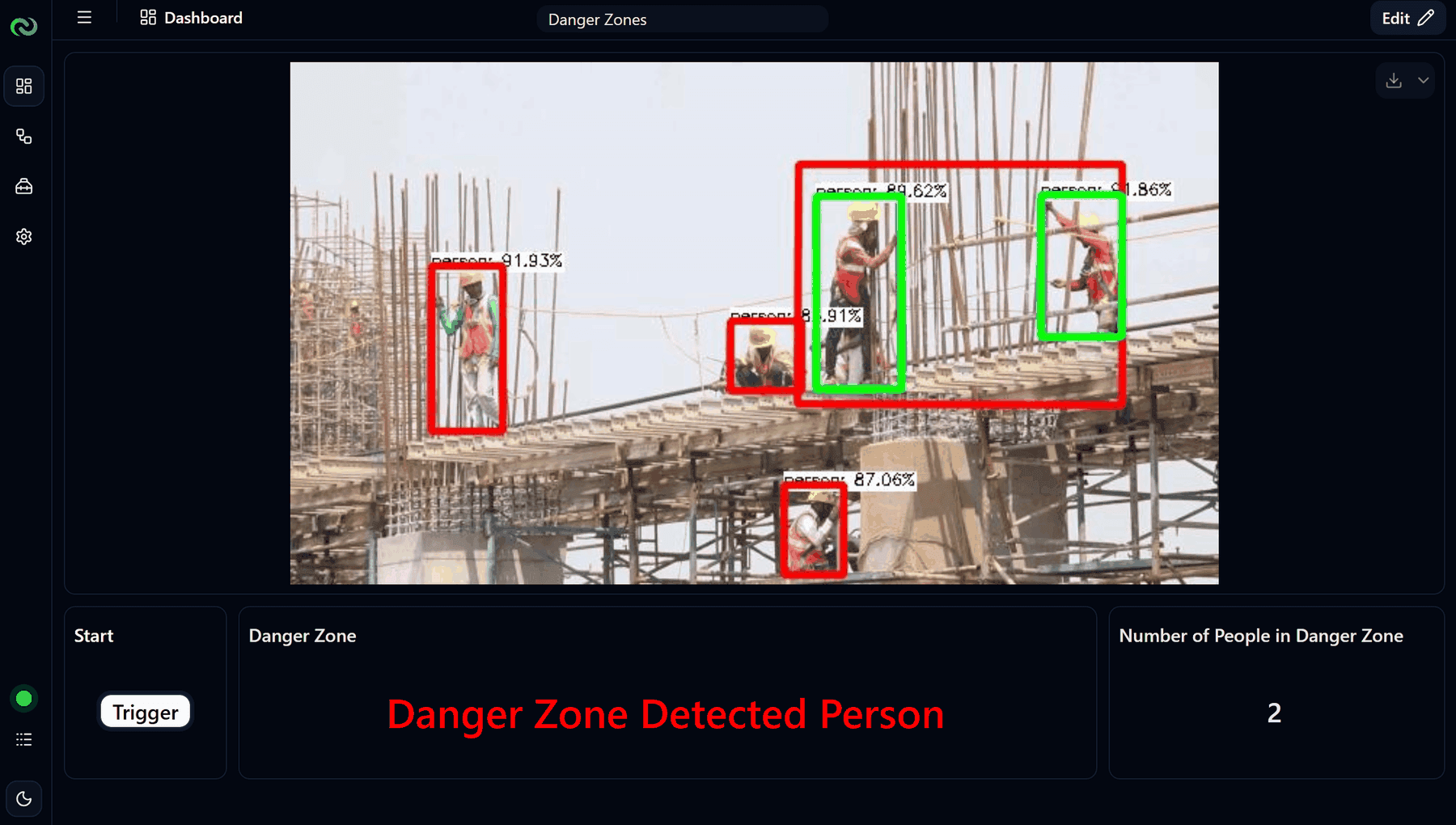
03 · act
Act on the real world.
Drive PLCs, tower lights, gates and robots, send alerts and data, and show it all on live dashboards.
[ 02 ]Our position
The third way: proven building blocks, on your own hardware
People and AI agents build solutions from proven, tested building blocks. More adaptable than single-purpose apps, more reliable than AI agents alone.

- Narrow appsfast · rigid
- Build your ownflexible · slow
- Nabrioflexible · production-ready
the usual option
Build it yourself
With developers, or now with LLMs and AI coding agents. Flexible, but a working pilot is far from a reliable system that runs every day. Camera streams, industrial protocols, model performance, safety, access control and maintenance all have to be engineered and owned.
the usual option
Buy a narrow, pre-built app
A PPE checker, a people counter, a plate reader. Quick to start, but each does one thing in one way. They rarely fit your exact process, they don’t talk to each other, and every new need means another vendor.
[ 03 ]Proof
Already running where it matters.
Real deployments, all processed on the customer’s own hardware.
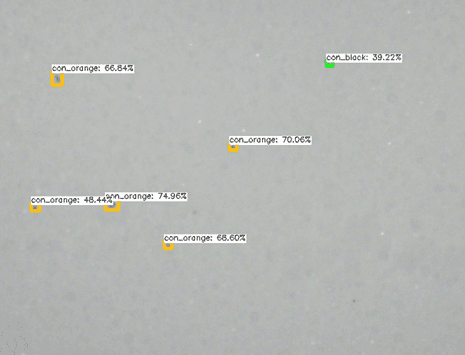
- 455tonnes / dayFertiliser pellets inspected for contamination, since March 2021UBE Group Thailand
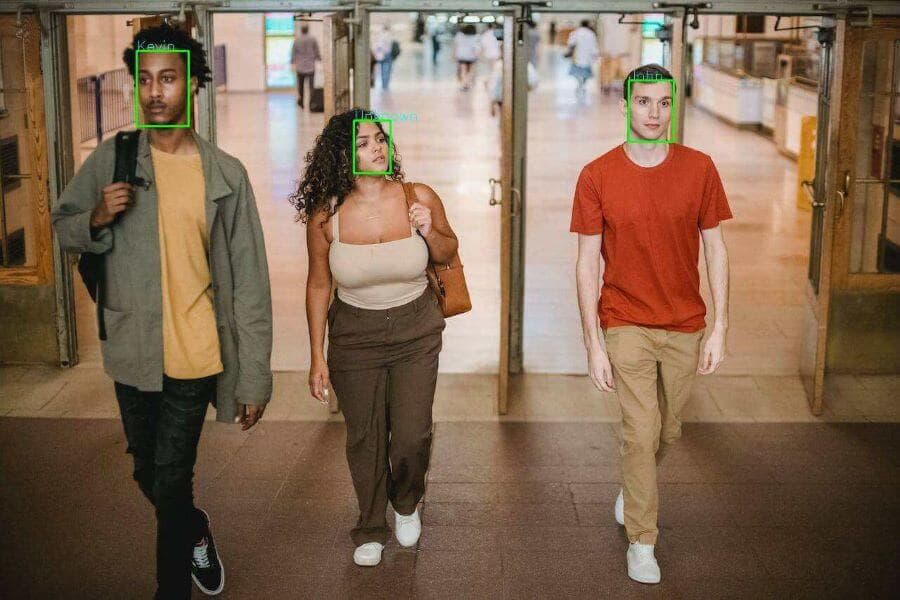
- 120+cameras20+ AI capabilities for mall analytics and security, on 4 edge devices in syncA shopping mall in Bangkok
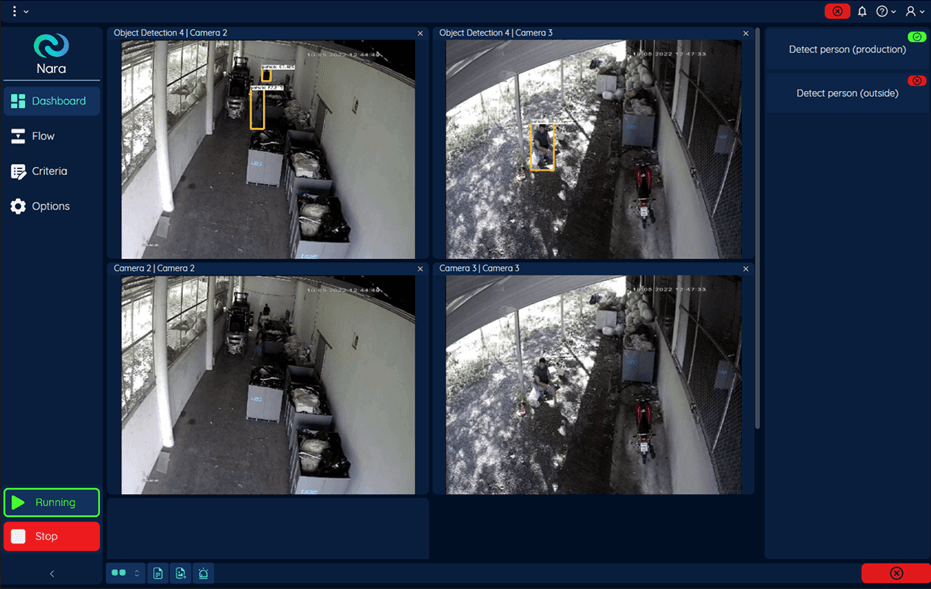
- 5–10MTHBOf potential stock losses mitigated by smart alarms on ordinary IP camerasIndustrial and commercial sites, several deployments
[ 04 ]The platform
Nara runs it. Reva teaches it your products.
A model trained in Reva deploys to Nara in one step. New images from production go back to Reva to make the model better.


01 · train
Reva
Label, auto-label and train models on your own images.
- model → NAM, no config
02 · run
Nara
Run it in a flow that senses, decides and acts, on your hardware.
- new production images → retrain
Build and run AI applications
Nara
A visual, no-code platform that connects cameras, sensors and machines to AI and turns what it sees into action, in real time on your own hardware.
Prepare data and train AI models
Reva
Your local, private ML lab. Label, train, export and manage datasets and models, all without code.
[ 05 ]Industries
Built for the places where work happens
- 01ManufacturingInspect every item, count everything, keep people safe, and connect the results to the line through PLCs, rejectors, tower lights and robots.Visual quality inspection · Foreign object detection · Item and pallet counting · PPE detection
- 02RetailTurn existing cameras in malls, stores and restaurants into one system for visitor analytics, operations and security, processed on-site with privacy in mind.People counting · Heatmaps and dwell time · Visitor demographics · Staff presence monitoring
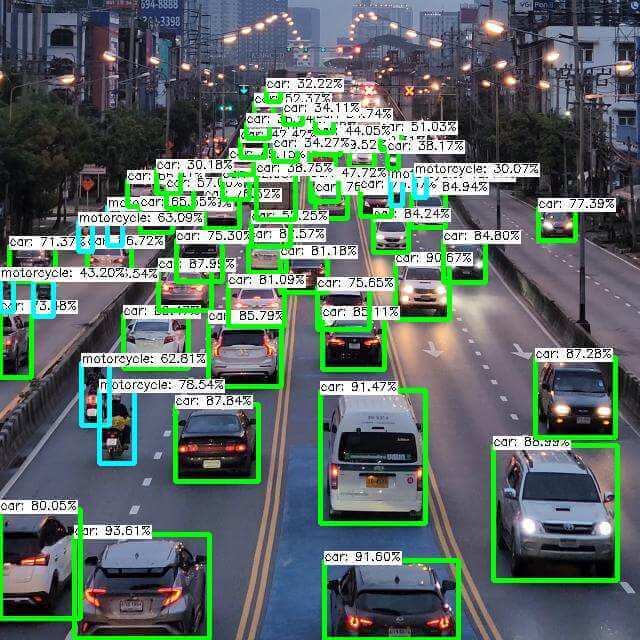
- 03Smart cityCity and roadside cameras that do more than record: they monitor traffic, detect violations, warn of floods and spot infrastructure problems, with processing at the edge so video does not have to be streamed to a central cloud.Traffic monitoring · Traffic violation detection · Licence plate recognition · People counting
- 04Buildings and securityMake existing CCTV act like an extra team of guards, and make buildings respond to the people in them, with everything processed on-site.Intrusion detection · Face recognition access control · Fire and smoke detection · Occupancy-based energy control
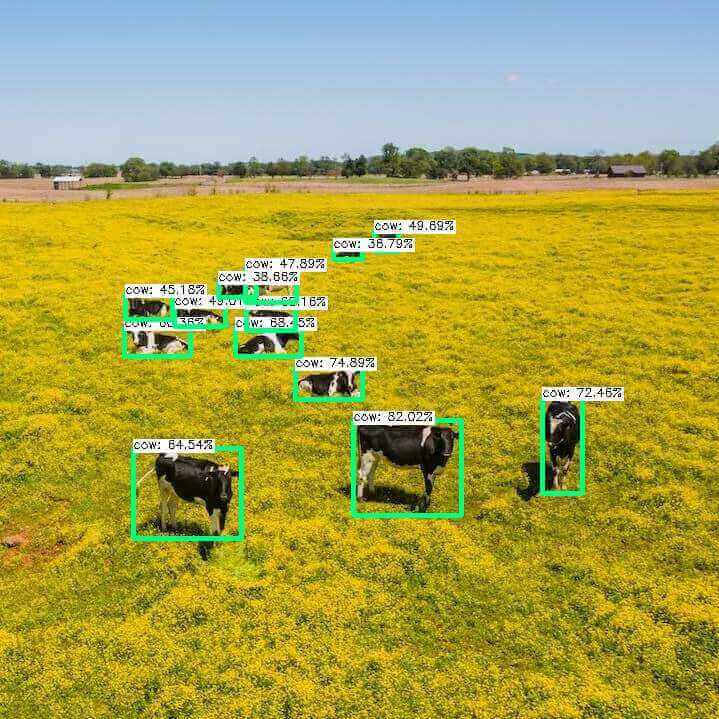
- 05More sectorsSectors with fewer deployments so far, where the same platform applies: agriculture and food production, hospitality, healthcare and elderly care, environment, and transport.Sorting and grading · Fall detection · PPE detection · Staff presence monitoring
[ 06 ]Two ways to use Nabrio
Use it as a solution, or build your product on it
Manufacturers, retailers, operators of buildings and cities
Use it as a solution
Start from built-in nodes, bundled models and project templates, set up your zones, rules and I/O, and run it. A working AI system in days, without code.
Explore industriesSystem integrators, solution builders, OEMs, in-house teams
Build on it
Build your own applications and products on Nara and Reva, then package, resell and support them across many customers or sites, co-branded “Powered by Nabrio”.
Partner with us[ 07 ]AI agents
AI agents build on proven blocks
Agents are far more dependable when they assemble tested building blocks than when they write a whole system from scratch.
Today, Nara offers on-device AI decisions, promptable detection, Python scripting and a full HTTP API with scoped keys for scripts and agents. Coming next, the Nara agent interface (CLI and MCP server) will let AI agents build, validate, deploy and improve flows and dashboards from a plain-language request, using the same validated nodes a person uses.
- Permission presets
- Per-device policies
- Confirmation before risky actions
- Simulated I/O during tests
- Sandbox, snapshots and rollback
- Audit trail of every agent change
› Count people in the doorway zone, show the count on a dashboard, and turn the tower light red above 10.
- · Reading site: 3 cameras, 1 tower light, Modbus I/O
- · Building flow: camera → people detection → zone count → if > 10 → tower light
- · Building dashboard: live view, count, threshold
- ✓ Flow validated · simulated I/O test passed
- ? Deploy to the doorway device? This switches a physical light.
- ✓ Deployed with your approval · snapshot saved for rollback
[ 08 ]Why Nabrio
The flexibility of building your own, with the reliability of a finished product
- 01
Physical AI, not just analytics
Nara doesn’t stop at detecting something. It acts on it: a reject signal to a PLC, a gate opening, a robot picking up a pallet.
- 02
Local-first and private
Video and data are processed on your own hardware. Nothing has to leave the site, and systems keep running when the internet is down.
- 03
Built for performance
A native C++ application with GPU acceleration and multi-threaded flows, so many camera streams run in parallel on one device.
- 04
Production-ready building blocks
Tracking, zone logic, de-duplication, validation, role-based access and error reporting are built into every node.
- 05
A platform to build on
Visual flows and dashboards for most work; a Python node, plugins and an HTTP API for the rest.
- 06
A lower, predictable cost
No per-call cloud AI fees. You use your own compute, and capacity is licensed with simple slots.
[ 09 ]FAQ
Questions, answered.
Does our data leave the site?
No. Nara and Reva run on your hardware, and images, video and results stay there. Data is sent elsewhere only if you build a flow that sends it. Nabrio’s cloud only handles accounts and licensing.
Do we need internet?
No. Systems run fully on the local network. Eligible tiers support offline operation with licences locked to the hardware.
Do we need programmers or data scientists?
No. Flows, dashboards, labelling and training are all done visually. Teams with developers can extend Nara with Python scripts and plugins.
What hardware do we need?
Start small on an edge device next to the camera, such as a Raspberry Pi or an NVIDIA Jetson, and move up to an industrial PC or GPU server for many cameras. The same flows run on all of them.
Why not just build it with an LLM or AI agent?
A demo is not a system. Running reliably every day needs stream handling, industrial protocols, GPU management, access control, logging and maintenance. Nabrio has already built and tested all of that, and agents are far more dependable assembling proven blocks.
See what Nara sees, on your own cameras.
Download Nara and build your first flow in minutes, or tell us what you need to see and do, and we’ll show you how it runs on your own hardware.