
Traffic violation detection with evidence capture
Most traffic violations combine vehicle detection, tracking, drawn lines and zones, and timers, all of which are built into Nara. Each violation is recorded with the plate read, images, timestamp and location. Red-light and speed cases also need a signal-state integration or a calibrated camera.
[ 01 ]The problem
Enforcement teams cannot watch every junction, and violations need reliable evidence.
- 01inputRoadside cameras
- 02processVehicle detection and tracking against drawn lines, zones, directions and timers
- 03actionEvidence capture: plate read, images, timestamp and location to the database or back office
How it works
Draw the lines and zones for each rule, such as a solid line, a bus lane or a no-parking zone, and set the allowed direction or time limit. Nara tracks each vehicle and flags the ones that break the rule. Every violation is stored with the plate read, images, timestamp and location, and can be sent to the back office over HTTP.
Works with Nara’s built-in models. You set up the zones, rules and outputs. Red-light, pedestrian-crossing and speed violations need project engineering for signal state or calibration.
[ 02 ]Variations
The same building blocks, applied a few ways.
- 01
Illegal lane change
A vehicle track crosses a solid-line boundary.
- 02
Bus-lane violation
A non-bus vehicle in the bus-lane zone, during restricted hours.
- 03
No-parking zone
A vehicle stationary in the zone for longer than a set number of minutes.
- 04
No-stopping zone
A vehicle stops in the zone for longer than a set number of seconds.
- 05
Parking violations
Double parking or the wrong bay, from zones, dwell time and vehicle type.
- 06
Wrong-way driving
A vehicle’s track direction against the allowed direction.
- 07
Vehicles on the pavement
A motorbike or car track inside the pavement zone.
- 08
Crossing the pedestrian crossing on red
A vehicle in the crossing zone while the pedestrian signal is green. Needs the signal state.
- 09
Red-light running
A stop-line crossing while the signal is red. Needs the signal state from the controller or camera.
- 10
Over-speed detection
Tracked distance over time with a calibrated camera.
What you need
- Roadside cameras positioned for the rules you enforce
- Edge devices or on-site servers running Nara
- For red-light and speed cases: signal state from the controller, or a calibrated camera
Nara building blocks
- Camera nodes
- Vehicle detection and tracking
- Lines, zones, directions and timers
- Licence plate detection and OCR
- Database table
- HTTP to the back office
- AI model: General object detection
- AI model: Object tracking and analytics
- AI model: Licence plate detection
- AI model: OCR (text reading)
What it improves
- Junctions covered
- Evidence quality
- Officer time per violation
FAQ
Questions, answered.
Does video have to be streamed to a central server?
No. Nara processes video at the edge, on NVIDIA Jetson devices or on-site servers, and sends only results to the command centre over MQTT or HTTP.
Does any video leave the site?
No. Nara processes video on your own hardware. Data is sent elsewhere only if you build a flow that sends it, for example an alert to your own MQTT broker.
Related
Related use cases
 cameranara sees
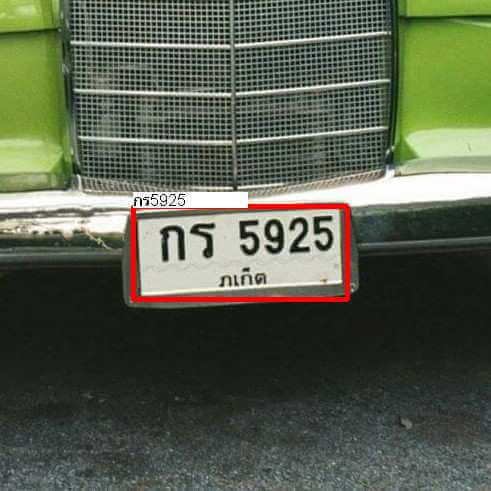
Licence plate recognition
Vehicles entering and leaving a site are logged by hand at the gate, and parking and enforcement need a reliable plate record.
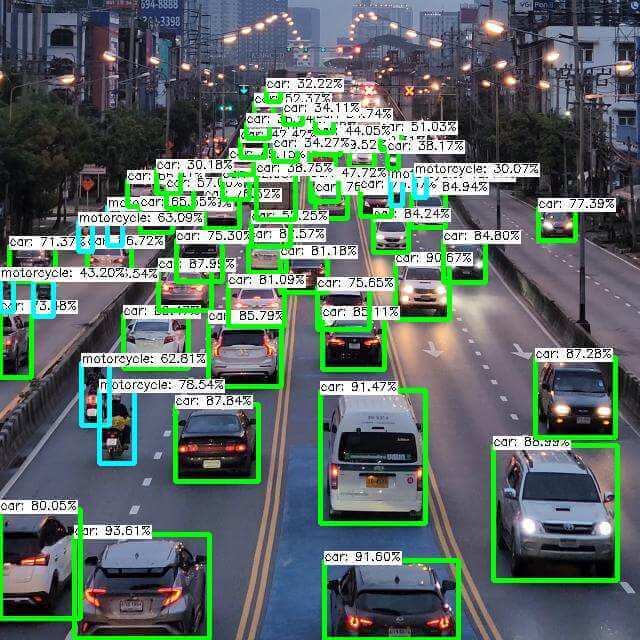
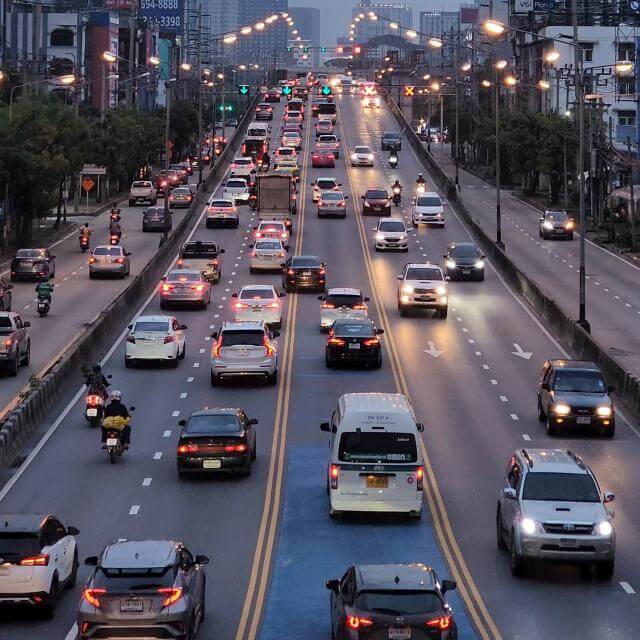 cameranara sees
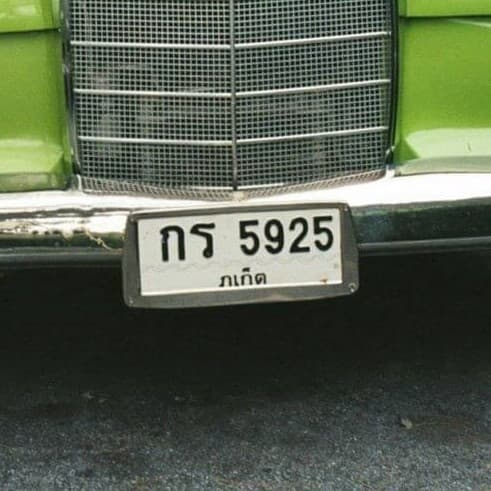
Traffic monitoring
Cities need live traffic data and early warning of congestion and incidents without streaming every camera to a central cloud.
Intrusion detection
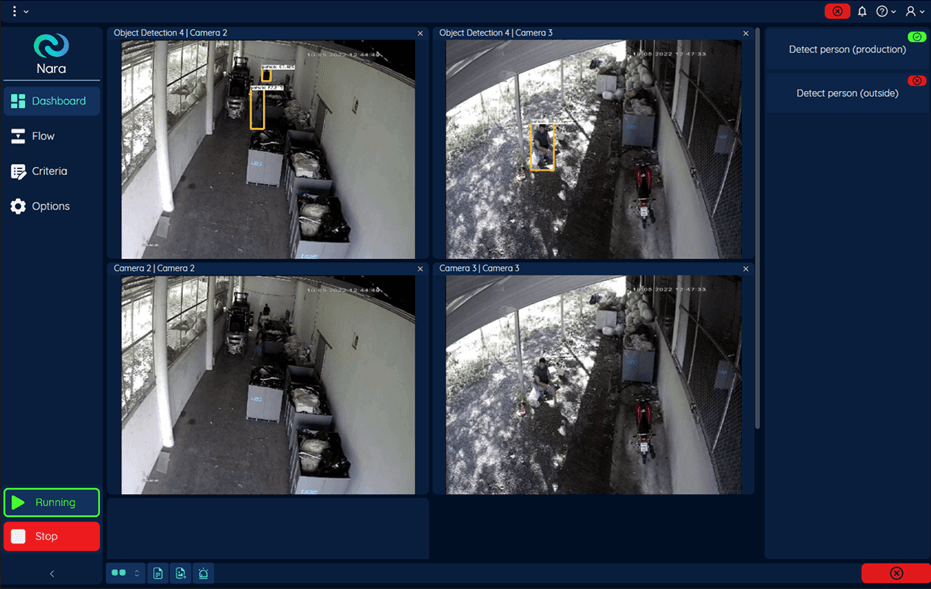
Sites need to know straight away when people or vehicles enter closed areas after hours, without a guard watching every screen.
Talk to us about traffic violation detection.
Tell us about your site, cameras and machines, and we’ll show you how it runs on your own hardware, or download Nara and try it yourself.