
AI traffic monitoring and vehicle counting
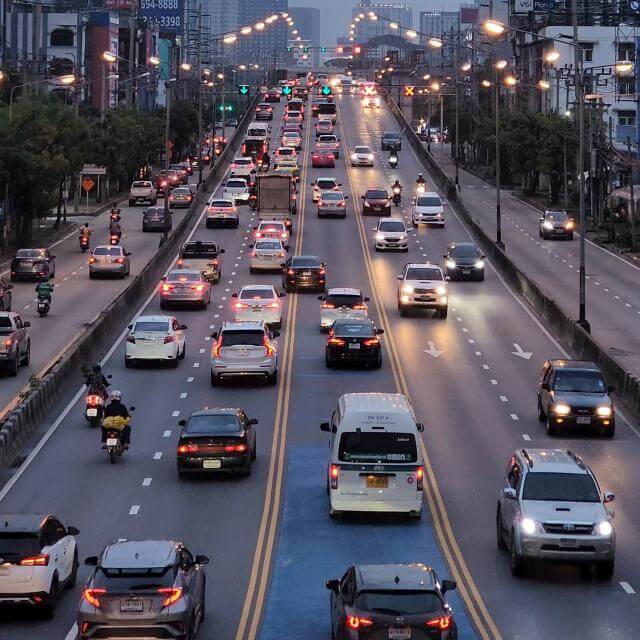
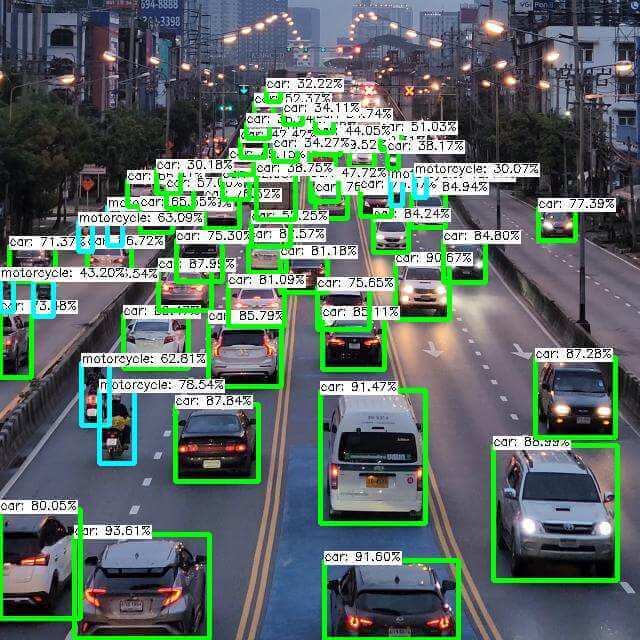
Nara turns roadside cameras into traffic sensors. It counts vehicles per lane and direction, classifies cars, motorbikes, buses and trucks, measures density and queue length, and alerts the command centre to congestion, all processed at the edge so video does not have to be streamed to a central cloud.
[ 01 ]The problem
Cities need live traffic data and early warning of congestion and incidents without streaming every camera to a central cloud.
- 01inputRoadside and junction cameras
- 02processVehicle detection and tracking: counts per lane and direction, classification, density, queue length
- 03actionDashboards and congestion alerts to the command centre over MQTT or HTTP
How it works
Nara detects and tracks vehicles, counts them per lane and direction with lines and zones, and classifies each one as a car, motorbike, bus or truck. Density and queue length come from zone counts and dwell time. Results and congestion alerts go to the command centre over MQTT or HTTP, and video stays at the edge.
Works with Nara’s built-in models. You set up the zones, rules and outputs. Accident detection uses a model trained in Reva or the AI Decision node.
[ 02 ]Variations
The same building blocks, applied a few ways.
- 01
Traffic flow and congestion
Vehicle detection and tracking give counts per lane and direction, density, queue length and congestion alerts.
- 02
Vehicle classification counts
Cars, motorbikes, buses and trucks counted per hour.
- 03
Accident detection
Stopped vehicles in live lanes, collisions and crowds forming raise an alert to the command centre. This uses a model trained in Reva or the AI Decision node.
What you need
- Roadside or junction cameras
- Edge devices (NVIDIA Jetson) or on-site servers running Nara
- A command centre system reachable over MQTT or HTTP
Nara building blocks
- Camera nodes
- Object detection (vehicles)
- Tracker with line and zone counts
- Dwell time
- Dashboard
- MQTT and HTTP to the command centre
- AI model: General object detection
- AI model: Object tracking and analytics
What it improves
- Live traffic data
- Faster congestion response
- Bandwidth saved by processing at the edge
FAQ
Questions, answered.
Does video have to be streamed to a central server?
No. Nara processes video at the edge, on NVIDIA Jetson devices or on-site servers, and sends only results to the command centre over MQTT or HTTP.
Related
Related use cases
 cameranara sees
Traffic violation detection
Enforcement teams cannot watch every junction, and violations need reliable evidence.
 cameranara sees
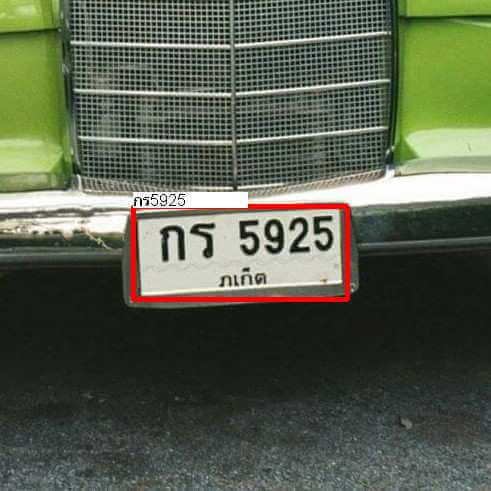
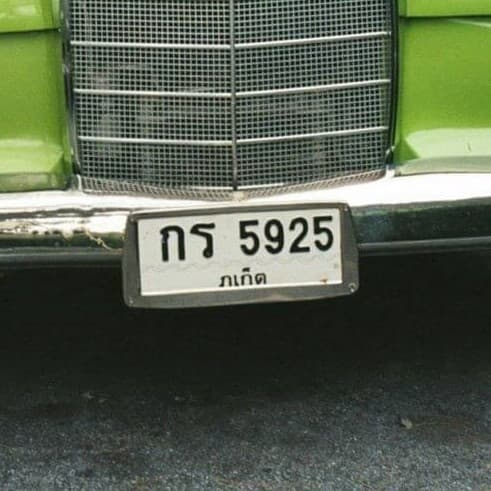
Licence plate recognition
Vehicles entering and leaving a site are logged by hand at the gate, and parking and enforcement need a reliable plate record.
 cameranara sees
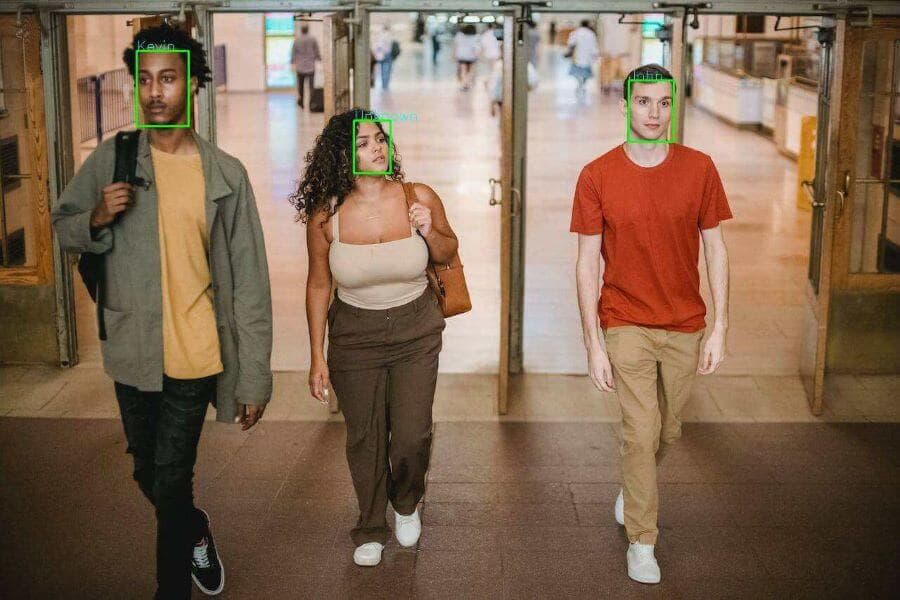
People counting
Simple door counters double-count people who return or use several entrances.
Talk to us about traffic monitoring.
Tell us about your site, cameras and machines, and we’ll show you how it runs on your own hardware, or download Nara and try it yourself.